
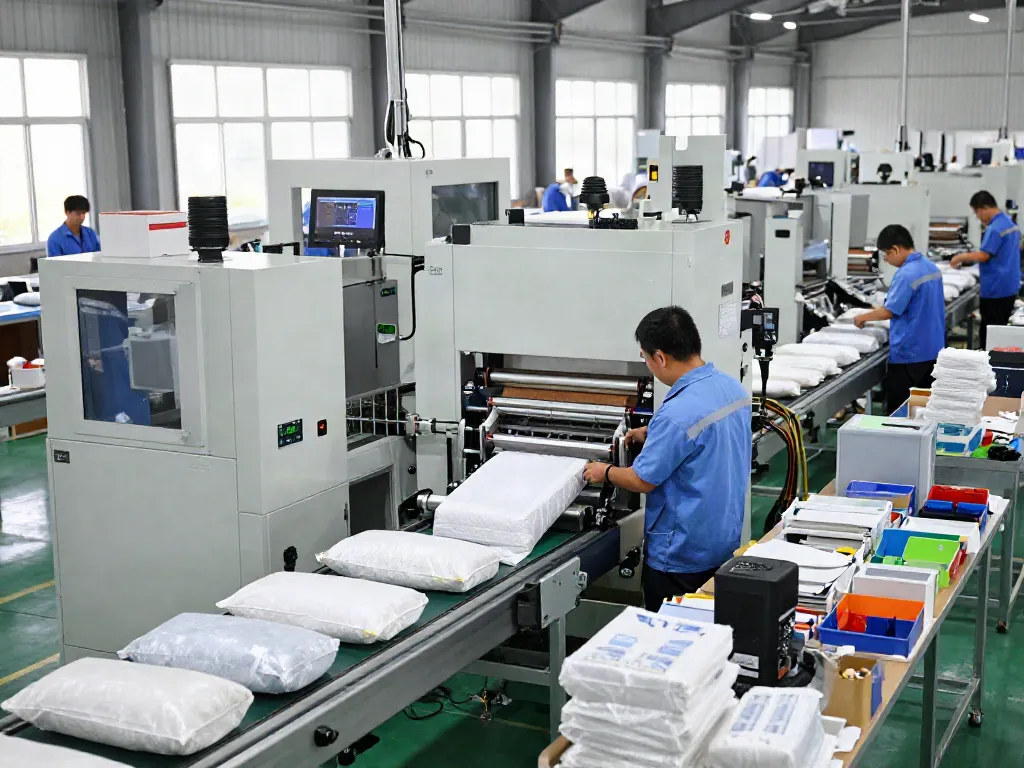
Understanding Packaging Equipment
In today's highly competitive manufacturing landscape, the role of a packaging equipment manufacturer is paramount. As industries strive for efficiency, innovation, and cost-effectiveness, understanding the intricacies of packaging machinery becomes essential. Packaging equipment encompasses a wide array of machines designed to prepare products for distribution, storage, sale, and use. This article delves into the importance of packaging equipment, the types of machinery available, and how manufacturers can contribute to enhancing productivity and reducing operational costs.
What is a Packaging Equipment Manufacturer?
A packaging equipment manufacturer specializes in producing machinery designed for packaging various products across diverse industries. These manufacturers play a crucial role in ensuring that products are packaged efficiently and effectively, catering to the unique needs of different sectors such as food and beverage, pharmaceuticals, chemicals, and consumer goods. By leveraging advanced technological innovations, packaging equipment manufacturers like Durzerd are committed to providing customized solutions that meet client demands and industry standards.
Importance of Packaging Equipment in Industry
Packaging equipment is critical for maintaining product quality while ensuring that packaging processes are efficient and cost-effective. Here are some reasons why it is essential:
- Product Protection: Packaging equipment helps in safeguarding products from damage during transportation and storage.
- Regulatory Compliance: Many industries have strict regulations regarding packaging, and manufacturers ensure compliance through appropriate machinery.
- Branding and Marketing: Effective packaging attracts consumers; thus, manufacturers focus on machinery that can enhance aesthetics while being functional.
- Efficiency and Speed: Automated packaging solutions drastically reduce labor costs and increase production speed.
Types of Packaging Equipment Available
Manufacturers offer various types of packaging machinery designed for specific applications. Some prominent categories include:
- Fillers: Machines that fill containers with products, widely used in the food and beverage industry.
- Sealants: Equipment designed to seal packages to ensure freshness and safety.
- Labelers: Machines that apply labels to packages, crucial for branding and information dissemination.
- Bagging Machines: Including open-mouth bagging machines, these are essential for bulk products like grains, powders, and chemicals.
- Cartoners: Equipment that places products into cartons, often used in the pharmaceutical and food sectors.
Key Components of Open-Mouth Bagging Machines
Open-mouth bagging machines play a vital role in the packaging of bulk products. Understanding their components and functionality can help businesses optimize their operations.
Mechanisms and Technology Behind Open-Mouth Bagging
Open-mouth bagging machines utilize various mechanisms for filling, closing, and sealing bags. Common technologies include:
- Pneumatic Controls: These systems control the flow of products into bags, utilizing air pressure to enhance precision and speed.
- Auger Fillers: Widely used for powders and granular products; they ensure accurate filling volumes.
- Vibratory Feeders: Ideal for free-flowing materials, they help maintain consistent flow rates during the bagging process.
Customization Options for Enhanced Efficiency
Customizing open-mouth bagging machines can significantly enhance productivity. Options may include:
- Size Adjustments: Machines can be tailored to accommodate different bag sizes, allowing for versatility.
- Integrated Weighing Systems: This ensures precise measurement and reduces product waste.
- Automated Features: Incorporating sensors and robotics can streamline the process, reducing manual labor and errors.
Choosing the Right Equipment for Your Needs
Selecting the appropriate open-mouth bagging machine involves assessing your specific requirements, including product type, production volume, and budget considerations. Engaging with experienced manufacturers can provide insights to identify the best solutions for your operations.
Benefits of Using FFS Packaging Lines
Form-Fill-Seal (FFS) packaging lines offer unique advantages that can substantially improve production operations.
Integration with Production Systems
FFS machines are designed to seamlessly integrate with existing production lines, ensuring consistent and efficient workflow. This integration minimizes disruptions and maximizes productivity.
Cost-Effectiveness and ROI Considerations
Investing in FFS packaging lines can be cost-effective in the long run. By reducing labor costs and improving speed, businesses can achieve a significant return on investment (ROI). Additionally, these systems often require less maintenance, further decreasing operational expenses.
Case Studies: Successful Implementations
Many companies that have adopted FFS packaging lines report increased efficiency and productivity. For instance, a food manufacturer that transitioned to an FFS system saw a 30% reduction in packaging time and a significant decrease in material waste. This showcases the transformative potential of modern packaging solutions.
Common Challenges Faced by Packaging Equipment Manufacturers
The packaging equipment manufacturing sector faces several challenges that can impact overall efficiency and service delivery.
Addressing Maintenance and Downtime Issues
Equipment failures can lead to significant downtime, which is costly for manufacturers. Implementing preventive maintenance schedules and utilizing high-quality components can mitigate these risks.
Staying Competitive in the Global Market
With increasing competition, manufacturers must continuously innovate and improve their offerings. Adapting to market trends and customer needs is vital for sustaining competitiveness.
Innovations and Trends Shaping the Future of Packaging
Keeping abreast of technological advancements, such as automation, IoT integration, and sustainable packaging solutions, is crucial for manufacturers to stay relevant.
Strategies for Selecting the Right Packaging Equipment Manufacturer
Choosing the right packaging equipment manufacturer is critical to ensuring reliable machinery and support.
Evaluating Manufacturer Credentials and Expertise
When selecting a manufacturer, it is vital to assess their experience, industry knowledge, and track record of satisfied clients. This can provide assurance of their reliability and capability.
Importance of Customer Support and Service
Top-tier manufacturers offer excellent customer support, ensuring you have access to assistance whenever needed. This can be crucial for minimizing downtime and addressing any operational concerns.
Future Trends: What to Expect in 2026
The packaging industry is evolving rapidly. In the coming years, expect greater emphasis on sustainable practices, automation, and smart packaging solutions that integrate with e-commerce strategies.
What are the advantages of using open-mouth bagging machines?
Open-mouth bagging machines offer precise filling solutions, faster speed, cost savings, and adaptability for a variety of bulk products, making them ideal for many industries.
How can FFS packaging lines improve production efficiency?
FFS lines enhance production efficiency by automating processes, reducing labor costs, and providing faster packaging speeds, thereby increasing output and profitability.
What should I consider when choosing a packaging equipment manufacturer?
Consider factors such as the manufacturer’s experience, customer service, machinery quality, and the availability of customization options that meet your specific packaging needs.
What are the latest trends in the packaging equipment industry?
Current trends include increased automation, the introduction of smart packaging, and a focus on sustainable materials and processes in response to environmental concerns.
How do customized packaging solutions benefit businesses?
Customized packaging solutions allow businesses to optimize their processes based on specific product characteristics, enhancing efficiency, reducing waste, and ultimately improving profitability.