Understanding Custom Water Treatment Systems
Water treatment is a crucial aspect of modern industrial and municipal operations, especially as concerns about water quality grow. Custom water treatment systems provide tailored solutions that address specific challenges faced by various sectors. These systems are designed to meet unique water treatment needs, enhancing efficiency and compliance with environmental regulations. When exploring options, Custom Water Treatment System providers like QILEE deliver intelligent solutions that tackle a diverse range of water-related issues.
What is a Custom Water Treatment System?
A custom water treatment system is engineered to address specific water quality issues unique to a site or operation. Unlike standard solutions, these systems are tailored to the particular requirements of the water source and the intended use of the water. This can include various processes such as filtration, chemical treatment, reverse osmosis, and more, each designed to optimize water treatment for efficiency, effectiveness, and compliance with health and environmental standards.
Benefits of Customized Solutions for Water Challenges
The advantages of utilizing custom water treatment systems are numerous:
- Efficiency: Tailored systems ensure that resources are used optimally, reducing waste and energy consumption.
- Compliance: Custom systems can be designed to meet local, state, and federal regulations, ensuring compliance with environmental standards.
- Scalability: These systems can be scaled up or down based on changing water needs, making them adaptable for various operations.
- Cost-effectiveness: By addressing precise water treatment challenges, businesses can reduce overall treatment costs over time.
Key Components of Effective Water Treatment Systems
Effective custom water treatment systems typically involve several key components:
- Filtration Systems: To remove particles and contaminants from water, providing baseline purity.
- Disinfection Components: Such as UV light or chemical dosing, to eliminate pathogens and ensure water safety.
- Storage Solutions: To manage treated water and ensure availability when needed.
- Monitoring Systems: Automated systems that continuously check water quality and operational parameters.
Applications of Custom Water Treatment Systems
Custom water treatment systems are versatile and can be applied in various sectors to address numerous water quality challenges. Here are some key applications:
Industrial Use Cases: Tackling High-Difficulty Wastewater
Industries such as manufacturing and food processing often deal with complex wastewater streams that require tailored treatment solutions. Custom systems can effectively treat high-difficulty wastewater by utilizing advanced technologies such as membrane bioreactors or advanced oxidation processes to ensure compliance with discharge regulations.
Municipal Applications: Ensuring Safe Drinking Water
Municipalities are tasked with providing safe drinking water to their residents. Custom water treatment systems can be designed to improve the quality of source water, effectively removing contaminants and ensuring that treated water meets or exceeds safe drinking water standards.
Emergency Solutions: Rapid Deployment for Sewage Treatment
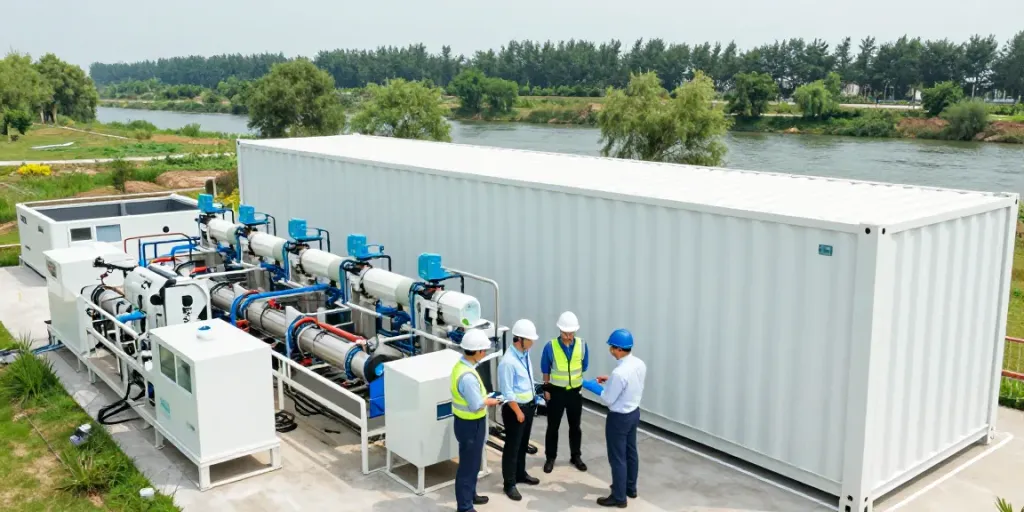
In emergencies, such as natural disasters, rapid deployment of water treatment systems is vital. Custom containerized solutions can be quickly mobilized to provide on-the-spot sewage treatment, protecting public health and the environment.
Best Practices in Designing Water Treatment Systems
When designing a custom water treatment system, several best practices should be followed to ensure its effectiveness:
Assessing Unique Water Needs for Tailored Solutions
A thorough assessment of the specific water characteristics and treatment requirements is critical for developing effective solutions. This includes analyzing water quality, identifying contaminants, and understanding regulatory requirements.
Compliance and Regulatory Standards to Consider
Designing systems that comply with local, state, and federal regulations is essential for avoiding penalties and ensuring public safety. Understanding these requirements helps to guide the selection of technologies and processes used in the system.
Innovative Technologies Shaping Future Designs
The water treatment industry is continually evolving, and emerging technologies such as artificial intelligence and IoT sensors are revolutionizing system design. These innovations improve efficiency, provide real-time monitoring, and allow for predictive maintenance, which can significantly enhance system reliability.
Challenges and Misconceptions in Water Treatment
Despite the benefits of custom water treatment systems, several challenges and misconceptions can hinder the adoption of these solutions.
Common Misunderstandings About Custom Solutions
A prevalent misconception is that custom solutions are overly expensive or complex. While initial costs may be higher, the long-term savings and efficiency gains often justify the investment.
Addressing Cost vs. Value in Water Treatment Investments
It's crucial to evaluate the total cost of ownership rather than just the upfront investment. Custom solutions can provide significant savings in operational costs, compliance, and resource management over time.
Overcoming Implementation Obstacles in Water Systems
Resistance to change can also be an obstacle. Educating stakeholders about the benefits and flexibility of custom systems can facilitate smoother implementation processes.
Future Trends in Water Treatment Technology
The landscape of water treatment is rapidly changing, influenced by advancements in technology and growing environmental considerations.
Emerging Technologies in 2026 and Beyond
As we look to the future, technologies like nanofiltration and advanced biological treatment methods are set to become more prominent, providing higher efficiency and effectiveness in water treatment processes.
Sustainability and Environmental Considerations
With increasing pressure to adopt sustainable practices, future water treatment systems will likely focus on enhancing resource conservation, reducing waste, and employing renewable energy sources.
The Role of Smart Technologies in Water Management
Smart technologies are expected to play a crucial role in water management, providing data-driven insights that can facilitate better decision-making and operational efficiencies.
How much should a water treatment system cost?
The cost of a water treatment system can vary widely based on factors such as the complexity of the system, the contaminants present, and the required technologies. Initial consultations with experienced providers can provide clearer cost estimates.
Can I install my own water treatment system?
While it's possible for individuals to install their own systems, professional installation is recommended to ensure compliance with regulations and to achieve optimal performance.
How do the Amish purify water?
The Amish often use simple filtration and chemical treatments for water purification, relying on natural methods and minimal technological engagement, emphasizing sustainability and efficiency.
How can I make my own water purification system?
Homemade water purification can involve methods such as sand filtration, boiling, and using activated charcoal. However, it's essential to ensure that any system you create effectively removes harmful contaminants.
What are the common types of water treatment systems?
Common types of water treatment systems include filtration systems, reverse osmosis systems, chemical dosing systems, and UV disinfection systems. Each type is suited for different water quality challenges and applications.