
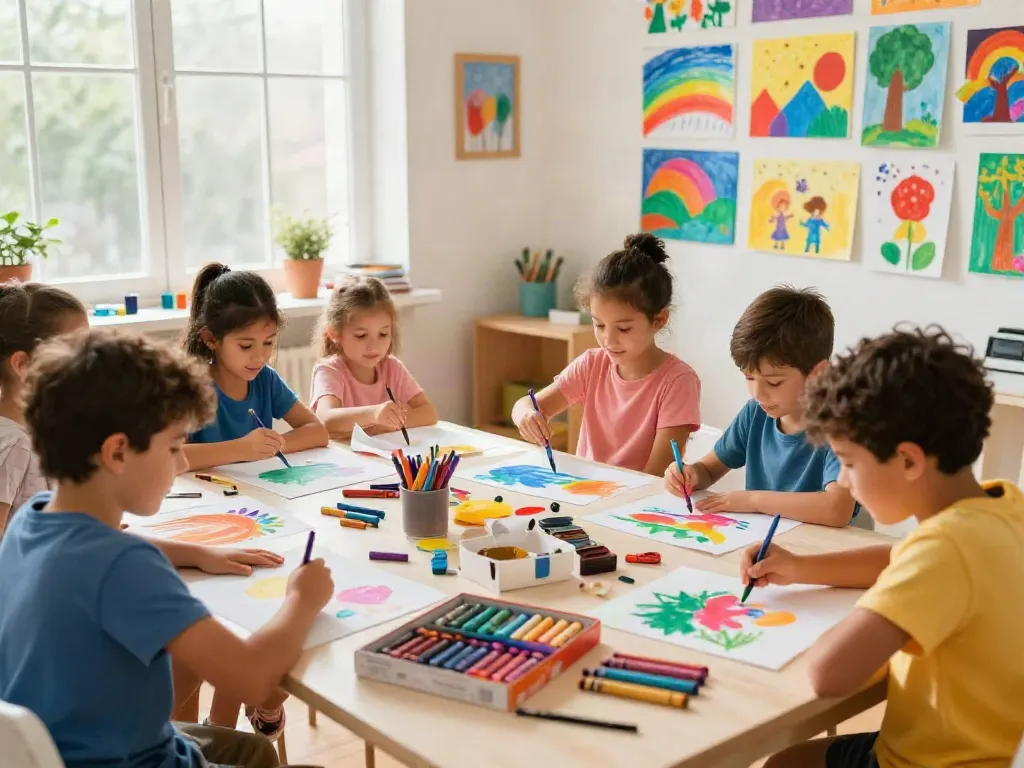
The Role of Crayon Manufacturers in Creative Development
Crayons have long been a staple in the artistic development of children, providing a gateway to creativity and self-expression. As professional crayon manufacturers, companies play a crucial role in shaping the quality and accessibility of these essential tools. From the vibrant hues of wax crayons to innovative fabric and eco-friendly beeswax options, understanding the diverse nature of crayon products is vital for educators, parents, and creative professionals alike. Not only do these products encourage artistic exploration, but they also contribute to various developmental skills in young artists.
Understanding Different Crayon Types and Their Uses
Crayons come in multiple forms, each with unique characteristics and uses:
- Wax Crayons: These are the most common type, made from paraffin wax and color pigments. They are affordable and available in large quantities, making them a popular choice for schools and households.
- Plastic Crayons: Molded from plastic, these crayons can be produced in various shapes and sizes, appealing to children’s imagination and enhancing the creative process.
- Fabric Crayons: Designed for use on textiles, these crayons enable artists to create permanent designs that withstand washing without fading, making them ideal for fabric projects.
- Beeswax Crayons: Organic and environmentally friendly, beeswax crayons are free from synthetic chemicals and are safer for young children, promoting eco-consciousness from an early age.
How Quality Affects Artistic Expression
The quality of crayons significantly influences the user experience. Higher-quality crayons offer richer pigmentation, smoother application, and durability that supports various techniques such as blending and layering. This enhanced performance enables budding artists to explore their creativity without limitations, fostering a sense of accomplishment and encouraging further practice. Manufacturers must prioritize quality control and innovation to ensure that their products meet the artistic demands of consumers.
Environmental Considerations in Crayon Production
As sustainability becomes increasingly important in consumer purchasing decisions, crayon manufacturers are adapting by introducing eco-friendly practices. The use of natural ingredients in crayon production not only minimizes environmental impact but also aligns with the values of health-conscious parents. Companies that utilize renewable resources, like soy or beeswax, contribute positively to reducing the carbon footprint associated with art supplies. This shift towards sustainability helps educate future generations about the importance of environmental stewardship.
Identifying Top Crayon Manufacturers in the Industry
Understanding the landscape of crayon manufacturers is essential for sourcing quality products. This involves evaluating both global leaders and local suppliers to find the best fit for specific needs.
Evaluating Global and Local Manufacturers
When assessing crayon manufacturers, it is crucial to consider their reputation, product range, and geographical location. Global brands often have the advantage of extensive research and development capabilities, whereas local manufacturers may offer unique, culturally-inspired products. By examining the strengths and weaknesses of various manufacturers, buyers can establish valuable partnerships that enhance their product offerings.
Features to Look for When Choosing a Manufacturer
Key features to evaluate include:
- Product Range: A diverse selection ensures that you can find the right crayons for different applications.
- Quality Assurance: Look for manufacturers that implement stringent quality control measures to guarantee product safety and performance.
- Sustainability Practices: Companies that use eco-friendly materials align with the growing consumer preference for sustainable products.
- Customization Options: Manufacturers offering customized crayons can help businesses create unique offerings to stand out in the market.
Case Studies: Successful Collaborations with Crayon Brands
Several collaborations illustrate the benefits of sourcing from reputable crayon manufacturers. For example, a school district that worked with a local producer of beeswax crayons expanded its art program while promoting sustainability. This partnership not only enhanced the quality of art supplies available to students but also fostered community engagement by supporting local business. Such case studies highlight the potential for successful outcomes through strategic partnerships in the crayon industry.
Challenges Faced by Crayon Manufacturers in 2026
The crayon manufacturing landscape is evolving, presenting both opportunities and challenges to established and emerging players alike.
Supply Chain Issues and Sustainable Sourcing
In 2026, crayon manufacturers are grappling with complex supply chain challenges, including sourcing raw materials ethically and sustainably. Fluctuations in the availability of key ingredients can impact production timelines and costs. Companies must develop robust supply chain strategies to mitigate these risks, ensuring consistent product availability without compromising quality or sustainability.
Adapting to Market Trends and Consumer Preferences
Consumer preferences continuously evolve, with increasing demand for innovative and engaging art supplies. Manufacturers must remain agile, regularly updating their product lines to reflect current trends, such as interactive or educational items that combine play with learning. Staying ahead of market trends allows manufacturers to address consumer needs proactively.
Innovations and Technology in Crayon Manufacturing
Technological advancements are reshaping the crayon manufacturing process. Automated production lines improve efficiency, while innovative materials enhance product performance. Additionally, digital tools enable manufacturers to gather consumer feedback more effectively, informing future product development.
Best Practices for Crayon Manufacturers to Enhance Brand Visibility
As competition increases within the crayon market, manufacturers must implement effective strategies to stand out and enhance their brand visibility.
Effective Marketing Strategies for Art Supplies
Successful marketing techniques include engaging storytelling that highlights a product’s unique features and benefits. Utilizing high-quality visuals, along with user-generated content showcasing real-life applications of crayons, can significantly boost brand engagement. Additionally, participation in art fairs and exhibitions can further promote brand recognition among educators and parents.
Leveraging Social Media for Customer Engagement
Social media platforms serve as powerful tools for crayon manufacturers aiming to connect with their audience. By sharing tutorials, hosting drawing competitions, and showcasing creative projects, brands can foster a community around their products. Engaging with consumers through comments and messages builds loyalty and encourages brand advocacy.
Building Partnerships with Schools and Art Programs
Establishing relationships with educational institutions can lead to increased brand visibility and trust. Offering workshops, sponsoring art contests, or providing free samples for classroom use engenders goodwill and encourages teachers to recommend products to their students and parents.
Future Trends in the Crayon Manufacturing Industry
The crayon manufacturing industry is poised for exciting developments that will shape its future, particularly concerning eco-friendliness and innovation.
Emerging Eco-Friendly Materials and Practices
As consumer awareness regarding environmental issues grows, crayon manufacturers are exploring alternative materials, such as plant-based waxes and biodegradable packaging. These innovations not only reduce environmental impact but also appeal to eco-conscious consumers.
Technological Innovations in Product Development
The integration of technology into product development processes allows manufacturers to create unique crayon formulations that enhance performance, such as temperature-sensitive or glow-in-the-dark properties. Such innovations capture consumer interest and open new avenues for artistic expression.
Consumer Insights Shaping the Future of Crayons
Understanding consumer preferences and behaviors is essential in shaping future product offerings. Manufacturers must invest in market research to identify trends and gain insights into what drives consumer purchases. This intelligence enables companies to anticipate needs and innovate accordingly, ensuring their products remain relevant in a competitive landscape.
What are the leading crayon manufacturers in 2026?
The leading manufacturers combine quality craftsmanship with innovative features that meet evolving consumer demands. Brands that prioritize sustainability, quality, and creativity will likely dominate the crayon market moving forward.
How do eco-friendly practices affect crayon production?
Eco-friendly practices not only help reduce the environmental footprint of crayon production but also align manufacturers with consumer preferences for sustainable products. This alignment can drive sales and enhance brand loyalty.
What innovations are shaping the future of crayon manufacturing?
Innovations such as biodegradable materials, new coloring technologies, and personalized crayon experiences are reshaping the industry. These advancements allow manufacturers to cater to artistic needs while addressing environmental concerns.
How can consumers choose quality crayons for artistic projects?
Consumers should consider factors like pigmentation, durability, and safety standards when selecting crayons. Researching brand reputation and reading reviews can lead to better purchasing decisions.
What marketing strategies work best for crayon manufacturers?
Effective marketing strategies include leveraging social media engagement, participating in educational programs, and showcasing product versatility through creative advertising.