
Understanding Deepfake Technology and Its Risks
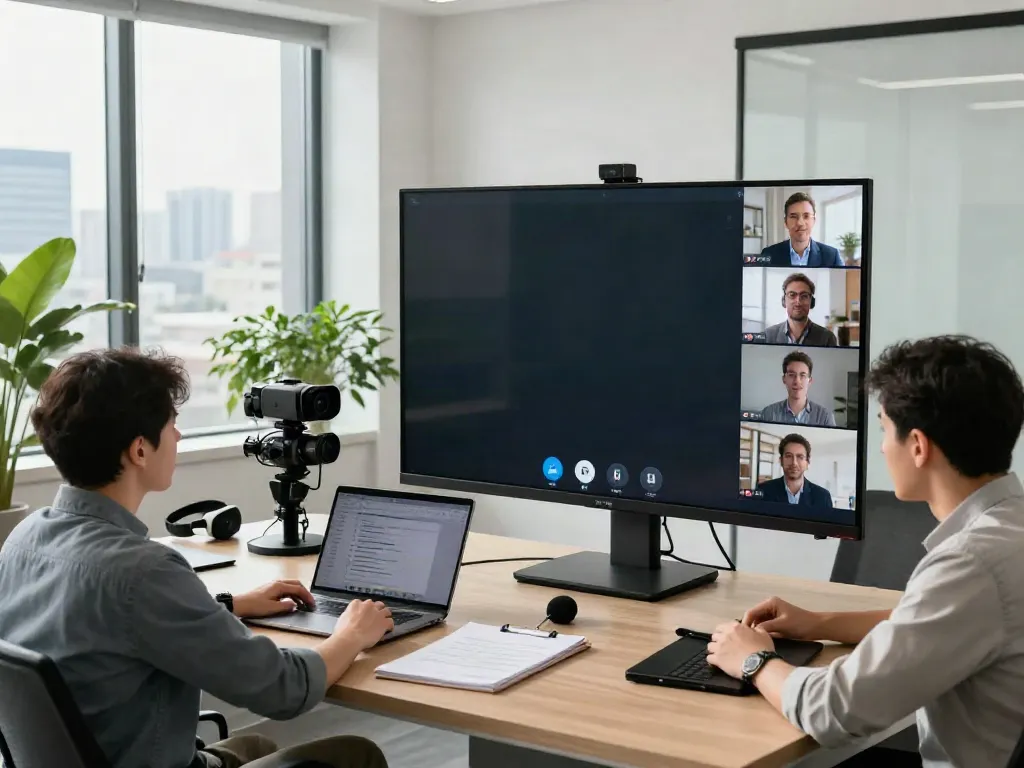
In a digitally connected world, the advent of deepfake technology has brought significant advancements, but it has also raised serious concerns regarding authenticity and security in communication. Deepfakes leverage artificial intelligence to create hyper-realistic, yet entirely fabricated, audio and visual content that can easily deceive viewers. As such, businesses must navigate a landscape where trust is increasingly fragile. The need for Deepfake protected Conferencing becomes paramount to mitigate risks associated with these sophisticated digital forgeries.
What Are Deepfakes?
Deepfakes are a form of synthetic media created using deep learning algorithms, particularly Generative Adversarial Networks (GANs). These algorithms analyze and replicate the traits of real audio and video, enabling the creation of realistic representations of individuals who never actually participated in the content. The ease of access to deepfake creation tools has increased the prevalence of these manipulated media forms, posing serious threats to various sectors, from politics to corporate environments.
The Impact of Deepfakes on Communication
The implications of deepfake technology on communication are profound. In corporate settings, deepfakes can damage reputations and erode trust among stakeholders. A single misleading video could potentially lead to financial losses, legal battles, and a tarnished brand image. Furthermore, the manipulation of content for misinformation can affect public perception and even interfere with democratic processes, as seen in election cycles.
Common Misconceptions About Deepfake Technology
Many misconceptions surround deepfake technology. One major misconception is that deepfakes are only a tool for entertainment or harmless prank videos. In reality, these technologies can be weaponized for malicious purposes, such as fraud or identity theft. Another misconception is that deepfake detection is a lost cause; however, advancements in cybersecurity are paving the way for effective detection and protection strategies.
Implementing Deepfake Protection in Conferencing
For businesses looking to safeguard their communication channels, implementing deepfake protection in conferencing is essential. This involves utilizing advanced technology and strategies that not only detect but also prevent deepfake-related threats during meetings.
Essential Features of Secure Conferencing Tools
- Authentication Measures: Conferencing tools must include multi-factor authentication to ensure that only authorized personnel can join meetings.
- End-to-End Encryption: Encrypting the data exchanged during video calls protects it from interception and manipulation.
- Real-Time Deepfake Detection: Leveraging AI algorithms capable of detecting manipulated media in real-time can prevent unauthorized access and maintain meeting integrity.
- User Verification: Implementing systems that verify users’ identities can further enhance security by preventing impersonation.
Best Practices for Protecting Video Meetings
To bolster security during video meetings, organizations should adopt a series of best practices, including regularly updating software to patch vulnerabilities, conducting employee training about security awareness, and setting strict guidelines on video conferencing protocols.
Real-World Case Studies: Successful Implementations
Several organizations have successfully implemented deepfake protection measures. For example, a leading financial services firm adopted a video conferencing platform integrated with AI-driven deepfake detection, significantly reducing instances of fraud and identity theft in their communications. This proactive approach not only safeguarded their assets but also boosted stakeholder trust.
Measuring the Effectiveness of Deepfake Protection
Evaluating the effectiveness of deepfake protection measures is crucial for continuous improvement. Businesses need actionable metrics to ensure their strategies are working effectively against threats.
Key Performance Indicators for Security
- Incident Response Time: Measure how quickly the organization can respond to deepfake incidents.
- Frequency of Security Breaches: Track the number of breaches occurring before and after implementing protective measures.
- User Feedback: Collect feedback from users regarding the usability and effectiveness of security features.
Feedback Mechanisms for Continuous Improvement
Implementing feedback mechanisms allows organizations to refine their security practices regularly. Encouraging users to report suspicious activity not only enhances awareness but also contributes to better detection and response strategies.
Analyzing User Experiences and Outcomes
Conducting surveys and interviews with users can provide insights into their experiences with conferencing tools, especially regarding their trust in the system's ability to prevent deepfakes. This qualitative data can guide future enhancements.
Future Trends in Deepfake Protection for Conferencing
As deepfake technology continues to evolve, so too must the methods used to combat its threats in conferencing environments. Staying ahead of trends is crucial for organizations.
Emerging Technologies and Innovations
- Blockchain for Identity Verification: Utilizing blockchain technology can provide a secure, tamper-proof method for verifying user identities during video calls.
- AI Evolution: As AI develops, more sophisticated algorithms will emerge that can detect deepfakes with even greater accuracy and speed.
Expert Predictions for 2026 and Beyond
Experts anticipate that by 2026, the integration of advanced AI and machine learning will enable real-time detection of deepfakes in conferencing. Moreover, regulations governing the use of deepfake technology are likely to evolve, pushing organizations to adopt stringent security measures.
Preparing for Regulatory Changes
Organizations must stay informed about potential regulatory changes related to deepfakes. Being proactive in compliance will not only protect them legally but also enhance their reputation as responsible digital communicators.
FAQs about Deepfake Protected Conferencing
What are the main benefits of using deepfake protection?
Deepfake protection offers numerous benefits, including enhanced security for sensitive communications, safeguarding of corporate reputations, and preservation of stakeholder trust.
How can I implement deepfake protection in my business?
Implementing deepfake protection involves choosing the right technology, training employees on security protocols, and continuously updating systems to counter evolving threats.
What tools are recommended for deepfake detection?
Recommended tools include AI-based detection software that analyzes video and audio for signs of manipulation, ensuring real-time protection during conferencing.
Are there legal implications for using deepfakes?
Yes, creating or disseminating deepfakes for malicious purposes can lead to legal consequences, including fines and imprisonment, depending on jurisdiction and the severity of the offense.
How does deepfake protection enhance user trust?
By employing robust deepfake protection measures, organizations demonstrate their commitment to security, fostering a culture of trust among participants in video meetings.