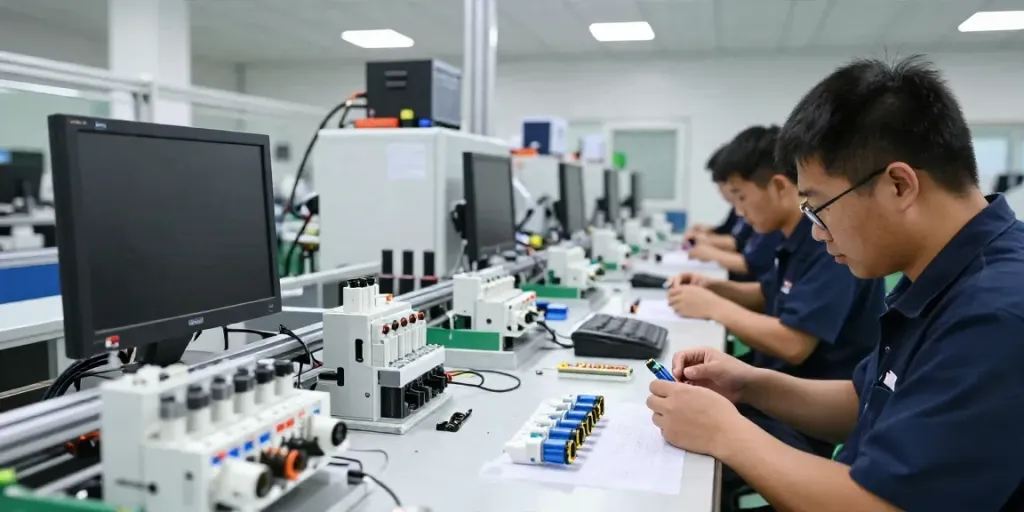
Understanding CNC Machining Services
CNC (Computer Numerical Control) machining is a precision manufacturing process that uses computerized controls to operate machine tools. These tools can include mills, lathes, routers, and grinders, which are utilized to produce high-quality parts and components from a variety of materials, including metals, plastics, and composites. Since its inception, CNC machining has transformed the manufacturing landscape, allowing for faster production times, greater accuracy, and a higher degree of customization compared to manual machining methods. When exploring options, cnc machining parts manufacturer provides comprehensive insights into various offerings and capabilities.
What is CNC Machining?
CNC machining refers to the process where pre-programmed computer software dictates the movement of factory tools and machinery. This technology enables the precise machining of parts by removing material in a methodical manner. CNC machines are capable of performing a wide range of operations such as drilling, milling, turning, and grinding with exceptional precision. The process begins with the creation of a computer-aided design (CAD) file, which is then converted into a machine-readable format, typically G-code, that instructs the CNC machine on how to create the desired component.
Benefits of CNC Machining Parts
- High Precision: CNC machining boasts a tolerance level that can be as precise as ±0.005 mm, ensuring that parts meet exact specifications.
- Repeatability: Once a CNC machine is programmed, it can produce multiple identical parts with minimal variation, making it ideal for batch production.
- Complex Designs: CNC machining allows for the creation of intricate shapes and geometric configurations that would be impossible to achieve with traditional methods.
- Efficiency: Automation in CNC machining reduces human error, speeds up production times, and ultimately lowers manufacturing costs.
Key Technologies in CNC Machining
Modern CNC machining utilizes advanced technologies such as multi-axis CNC machines, which include 3, 4, and 5-axis configurations. A 5-axis machine allows for complex shapes to be manufactured with improved efficiency and accuracy, reducing the need to reposition the workpiece. Additionally, newer technologies such as additive manufacturing are increasingly being integrated with traditional CNC processes, enabling hybrid manufacturing techniques for enhanced capabilities.
Choosing a Reliable CNC Machining Parts Manufacturer
Selecting a dependable CNC machining parts manufacturer is critical to the success of any machining project. The right manufacturer not only guarantees high-quality parts but also ensures timely delivery and responsiveness to customer needs.
Factors to Consider in Selection
- Experience: A manufacturer with a proven track record will likely have the expertise necessary to handle complex projects and different materials.
- Capabilities: Assess whether the manufacturer can handle specific machining techniques, such as CNC milling, turning, and injection molding, according to your project requirements.
- Technical Support: Consider the availability of expert support during the design and production phases, which can be crucial for troubleshooting and optimization.
Valuing Experience and Expertise
Experience is often an indicator of a CNC machining parts manufacturer’s reliability. A company that has been in the industry for several years will be familiar with common pitfalls and best practices that can enhance workflow and product quality. It is beneficial to investigate the specific industries they have served to ensure alignment with your own.
Customer Testimonials and Case Studies
Before committing to a CNC machining parts manufacturer, look for customer testimonials or case studies that showcase their work. Feedback from previous clients can provide insight into the manufacturer’s service quality, responsiveness, and the durability of their products. Additionally, case studies can highlight their problem-solving capabilities in unique situations, demonstrating their expertise.
Exploring CNC Machining Techniques
CNC Milling vs. CNC Turning
CNC milling and CNC turning are two primary methods of CNC machining. In milling, the workpiece is held stationary while the cutting tool rotates around it to remove material. This method is suited for creating flat surfaces, slots, and complex geometric parts. Conversely, CNC turning involves rotating the workpiece while a stationary cutting tool shapes it. This technique is commonly used for cylindrical parts such as shafts and rods.
The Role of CNC Lathes in Production
CNC lathes, a type of CNC turning machine, are essential for producing symmetrical parts. They offer high precision and speed, making them ideal for both low and high-volume tasks. Advances in CNC lathe technology have introduced features such as live tooling, which allows for milling operations to be performed on the lathe, significantly enhancing versatility and functionality.
Advanced Technologies in CNC Machining
Today’s CNC machining landscape is being revolutionized by technologies like cloud computing and IoT (Internet of Things). These technologies facilitate real-time monitoring and control of CNC machines, enabling predictive maintenance and reducing downtime. Furthermore, Artificial Intelligence (AI) and machine learning algorithms are making their way into CNC systems, improving decision-making processes and optimizing production workflows.
Quality Control in CNC Machining Processes
Quality control is an integral part of CNC machining that ensures the produced parts meet defined specifications and standards. Robust quality control measures can prevent costly errors and enhance customer satisfaction, making it essential for any reputable CNC machining parts manufacturer.
Importance of Quality Assurance
Quality assurance practices in CNC machining involve systematic processes that inspect and validate manufacturing outputs against established standards. These practices help maintain the integrity of the machining process and ensure consistent quality in the finished products.
Standard Certifications to Look For
When selecting a CNC machining manufacturer, look for standard certifications such as ISO 9001, which indicates adherence to international quality management standards. Other industry-specific certifications may also be relevant, depending on your specific needs, such as AS9100 for aerospace or TS 16949 for automotive applications.
Common Quality Control Techniques
Several quality control techniques can be implemented in the CNC machining process, including Statistical Process Control (SPC), which uses statistical methods to monitor and control manufacturing processes. Additionally, tools like Coordinate Measuring Machines (CMM) can be employed to evaluate component dimensions and tolerances, ensuring they conform to design specifications.
Future Trends in CNC Machining
The CNC machining industry is continually evolving, and manufacturers must stay ahead of emerging trends to remain competitive. Understanding these trends can help practitioners anticipate changes in technology and customer demands.
Embracing Automation and AI in CNC Machining
Automation is increasingly being adopted in CNC machining environments. Robotics and automated loading/unloading systems are reducing labor costs while enhancing productivity. Moreover, the integration of AI in CNC fabrications leads to optimized machining strategies and better resource allocation, allowing for increased customization and faster turnaround times.
Sustainability Practices in Manufacturing
As sustainability becomes paramount in global manufacturing, CNC machining is adopting eco-friendly practices. This includes energy-efficient machinery, waste material recycling, and the use of sustainable materials in production. Manufacturers that prioritize sustainability are likely to appeal to environmentally conscious customers.
Industry 4.0 and Its Impact on CNC Technologies
Industry 4.0, characterized by the fusion of digital technologies with manufacturing processes, has a profound impact on CNC machining. The use of big data analytics, the Internet of Things (IoT), and cloud-based solutions allows for smarter factories and improved operational efficiency. This interconnectedness creates a platform for manufacturers to access real-time data for better decision-making and enhanced production capabilities.
FAQs About CNC Machining Parts Manufacturers
What materials can be used in CNC machining?
CNC machining is versatile and can accommodate a wide variety of materials, including metals (aluminum, steel, titanium), plastics (acrylic, nylon, polycarbonate), and composites. The choice of material often depends on the application's requirements, such as strength, weight, and cost.
How long does the CNC machining process typically take?
The duration of the CNC machining process varies based on factors such as part complexity, material choice, and machine type. Simple parts may take only hours to produce, while complex designs can take days or longer, especially when considering setup and finishing processes.
Are CNC machined parts suitable for mass production?
Yes, CNC machined parts can be suitable for mass production. Once a CNC machine is programmed, it can replicate parts with high efficiency and consistency, making it ideal for high-volume production runs. However, for very large quantities, manufacturers may also consider methods like injection molding, depending on the part design and material.