Understanding Plumbing Business Software
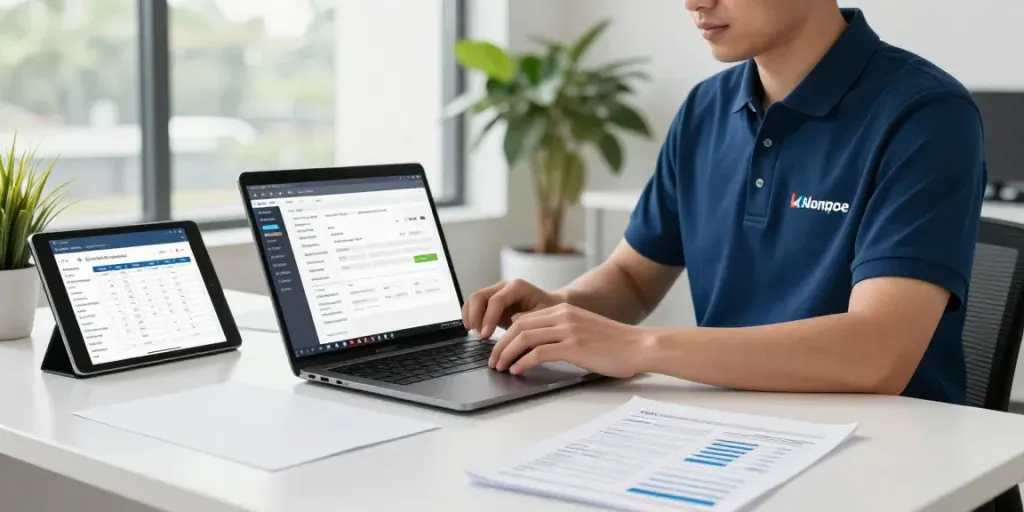
In the fast-paced and competitive world of plumbing, effective management is crucial to success. As plumbing businesses continue to grow in size and complexity, the need for specialized software has become increasingly apparent. Plumbing business software is designed to streamline various operational tasks, from scheduling and dispatching to invoicing and customer relationship management. By leveraging technology, plumbing companies can enhance efficiency, improve communication, and provide better service to their clients. When exploring options, Plumbing Business Software provides comprehensive insights into the tools available to modern plumbing businesses.
What is Plumbing Business Software?
Plumbing business software encompasses a range of digital tools tailored to meet the unique needs of plumbing contractors and companies. These systems often include applications for job management, project scheduling, customer relationship management (CRM), invoicing, and sometimes even inventory management. By integrating these functionalities into a single platform, plumbing software aims to simplify day-to-day operations and reduce the administrative burden on business owners and their teams.
Key Features to Look For
When selecting plumbing business software, it’s essential to consider features that will directly impact your workflow and efficiency. Key features include:
- Job Scheduling: Automate scheduling and dispatching to optimize field service management.
- Invoicing and Billing: Streamline financial operations with customizable invoices and automated billing processes.
- Customer Management: Keep track of customer interactions, service history, and preferences to enhance service delivery.
- Mobile Access: Ensure that technicians can access job details, update statuses, and communicate from the field.
- Reporting and Analytics: Gain insights into business performance and make data-driven decisions.
Types of Software Available for Plumbers
The plumbing industry has seen a rise in various software types designed to cater to different aspects of business management. These include:
- Field Service Management Software: Focused on managing field operations, scheduling, and dispatching.
- Accounting and Invoicing Software: Tailored for financial management, including expense tracking and payroll.
- CRM Software: Helps manage customer relationships and communication effectively.
- Project Management Tools: Tools that assist in planning, executing, and closing project tasks efficiently.
Benefits of Plumbing Business Software
Investing in plumbing business software brings several significant benefits that can transform how plumbing companies operate. From enhancing productivity to improving customer satisfaction, the advantages are manifold.
Improving Efficiency and Productivity
One of the primary benefits of plumbing business software is its ability to improve operational efficiency. By automating repetitive tasks and providing a centralized platform for communication and data storage, businesses can significantly reduce time spent on administrative processes. This efficiency allows plumbers to focus on their core competencies—servicing customers and completing jobs—ultimately leading to increased productivity.
Enhancing Customer Relationship Management
A robust CRM integrated within plumbing business software enables companies to nurture client relationships more effectively. By keeping detailed records of customer interactions, service requests, and preferences, businesses can personalize their service, respond promptly to inquiries, and follow up effectively. A strong relationship with customers can lead to repeat business and referrals, directly influencing profitability.
Streamlining Financial Operations
Managing finances is a critical aspect of running a plumbing business. Plumbing business software can automate invoicing, expense tracking, and financial reporting, which minimizes errors and saves time. With these streamlined financial operations, business owners gain better insight into profitability, cash flow, and overall financial health, enabling them to make more informed decisions.
Challenges and Considerations
While the benefits of plumbing business software are substantial, there are also challenges to be mindful of when considering implementation:
Common Misconceptions about Plumbing Software
Many plumbing professionals may hold misconceptions about the capabilities of plumbing business software, believing it to be too complicated or unnecessary. However, modern software solutions are user-friendly and accessible, designed to cater to a wide range of skill levels. Understanding the real potential of these tools can help dispel myths and encourage more plumbers to adopt them.
Potential Integration Issues with Existing Systems
Integrating new software with existing systems can sometimes lead to compatibility issues. This challenge may require additional time and resources to resolve. Before committing to a specific software solution, businesses should evaluate its compatibility with current systems and consider additional costs associated with integration.
Cost Factors and Budgeting for Software
Cost is always a critical factor in any software decision. While many plumbing software options are available, prices can vary significantly. Businesses should assess not only the upfront costs but also potential long-term savings through efficiency gains. It's essential to establish a budget that aligns with the scope of features required and the growth plans for the business.
Best Practices for Implementing Plumbing Business Software
Successful implementation of plumbing business software involves strategic planning and execution. Here are key best practices to consider:
Steps for Successful Software Adoption
Begin with a clear outline of business needs and a comprehensive analysis of available software options. Conducting thorough research, including seeking feedback from current users, can provide valuable insights. Once a solution is selected, involve all stakeholders in the implementation process to foster buy-in and ensure smooth transitions.
Training Your Team Effectively
Investing in adequate training is crucial for maximizing the benefits of any new software. Provide comprehensive training sessions that cover all aspects of the software, focusing on features that will be used most frequently. Encouraging ongoing learning and support can help mitigate resistance and increase proficiency.
Measuring Success and ROI
After implementation, businesses should track performance metrics to evaluate the software's impact. Setting specific, measurable goals related to productivity, customer satisfaction, and financial performance will help in quantifying ROI and making data-driven adjustments as necessary.
Future Trends in Plumbing Business Software
The plumbing industry is on the brink of significant technological advancements, driven by evolving customer expectations and evolving operational needs. Here are some trends to watch:
Emerging Technologies to Watch
Technologies such as artificial intelligence (AI) and the Internet of Things (IoT) are beginning to integrate into plumbing business software. These innovations can help optimize work processes, enhance predictive maintenance, and improve customer service through smart solutions.
Predicted Market Changes for 2026
As the plumbing industry continues to adopt technology, we can expect more comprehensive and integrated software solutions that cater uniquely to plumbing business needs. The demand for cloud-based solutions that allow for remote access and real-time collaboration is expected to rise, enabling better service delivery and increased flexibility.
Adaptation Strategies for Plumbing Businesses
To stay competitive in a rapidly evolving landscape, plumbing businesses must be proactive in adopting new technologies and revising their operational strategies. Regularly evaluating software capabilities, seeking customer feedback, and staying informed about industry trends will be essential for long-term success.
What software do plumbers use?
Plumbers often use a combination of field service management, accounting, and CRM software to handle various business functions effectively. The choice of software typically depends on the specific needs of the plumbing business and the scale of operations.
How to run your own plumbing business?
Running a plumbing business involves careful planning, effective marketing strategies, and strong financial management. Utilizing plumbing business software can greatly assist in these areas, helping owners streamline tasks and improve efficiency.
What is the best software for plumbing design?
For plumbing design, specialized software such as AutoCAD or Revit MEP is often used. These programs focus on creating precise designs and layouts for plumbing systems, ensuring compliance with local codes and regulations.
What is the best app for plumbing contractors?
The best app for plumbing contractors varies based on specific needs, but popular options include Jobber, Housecall Pro, and ServiceTitan, each offering features tailored to enhance operational efficiency.
How can plumbing software improve customer service?
Plumbing software enhances customer service by providing quick access to customer history, enabling real-time updates on job status, and improving communication through automated notifications. This leads to a more streamlined experience for clients and greater overall satisfaction.