
Understanding End of Lease Cleaning Melbourne
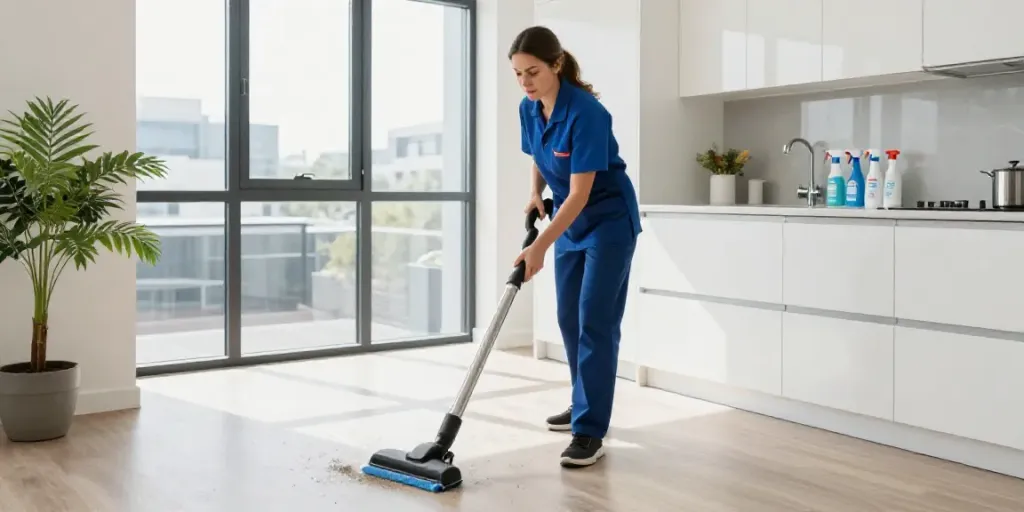
Moving out of a rental property in Melbourne can be an overwhelming experience. It often includes a flurry of activity such as packing boxes, coordinating utilities, and preparing for a final inspection. Among these tasks, one crucial component stands out—ensuring you receive your bond back. A significant factor that influences the return of your bond is the end of lease cleaning process. This guide will delve into the intricacies of end of lease cleaning in Melbourne, providing insights on how to navigate this essential task effectively. When exploring options, End of lease cleaning Melbourne provides comprehensive insights into professional cleaning services designed to meet strict real estate standards.
What is End of Lease Cleaning?
End of lease cleaning, also referred to as vacate cleaning or bond cleaning, is a thorough cleaning process undertaken by tenants before handing back the property to the landlord or real estate agent. The objective is not just to leave the property in a clean state but to ensure that it meets the standards expected to secure a full refund of the rental bond deposit. This extensive cleaning typically includes scrubbing every room, cleaning appliances, sanitizing bathrooms, and often involves specialized services like carpet steam cleaning.
Importance of Professional Cleaners
While some tenants may opt for DIY cleaning in hopes of saving money, hiring professional cleaners can significantly decrease the likelihood of disputes regarding cleanliness. Professional cleaning services are trained to meet real estate agents' standards, often utilizing checklists that align with what property managers expect during inspections. This not only increases the chances of getting your bond back, but also provides peace of mind during an already stressful time.
Common Misconceptions About Cleaning Standards
One common misconception is that "clean" is a subjective term; however, property managers often have a very different standard in mind. What may seem clean to a tenant could still leave significant dirt or stains that trigger bond deductions. Therefore, understanding the specific cleaning standards expected in your lease agreement and those enforced by property managers is paramount to a successful handover.
Using Your Ingoing Condition Report Effectively
Before you even consider cleaning the property, it’s essential to have a solid foundation based on your ingoing condition report. This document serves as a record of the property's condition when you first moved in, and it can be your best defense against unwarranted claims for damages or cleanliness issues during the exit inspection.
What is an Ingoing Condition Report?
An ingoing condition report, also known as a property condition report, is a detailed checklist that outlines the state of the property at the beginning of your tenancy. This report typically includes photographs and comments on the condition of various areas such as walls, floors, and appliances. It is legally binding and must be signed by both parties, establishing a baseline for the property's condition.
Legal Weight and Its Implications for Tenants
The significance of a signed ingoing report cannot be overstated. In Victoria, for example, Section 36(1) of the Residential Tenancies Act stipulates that a condition report signed by both the landlord and tenant serves as conclusive evidence of the property's state on the specified date. This means that any existing issues documented in the report cannot later be attributed to the tenant upon exit, provided they have not worsened. Therefore, a meticulously recorded ingoing report is crucial for protecting your bond.
How to Use the Report as a Cleaning Guide
Instead of treating the ingoing condition report as merely a formality, tenants should actively use it as a cleaning guide. Reviewing the report allows you to identify areas that require special attention during the cleaning process. For instance, if the report notes a slight stain on the carpet, you can focus on treating that area specifically, ensuring that you address any concerns before the final inspection.
Ensuring Bond Return with Thorough Cleaning Practices
Cleaning practices directly correlate with bond returns; therefore, it is essential to understand which areas often trigger disputes and how to counteract those issues effectively.
Common Areas that Trigger Disputes
Certain areas of a property are more susceptible to scrutiny during an end-of-lease inspection. Commonly contested spots include:
- Kitchen Appliances: Oven grease and dirty rangehood filters can lead to significant deductions.
- Windows and Tracks: Dust and dirt in window tracks can be overlooked during casual cleaning.
- Carpets: Stains and wear and tear can prompt requests for professional steam cleaning.
- Bathrooms: Mold and grime in showers is often a source of complaint.
Addressing these high-risk areas meticulously will minimize the risk of disputes arising over cleanliness when you vacate the property.
Strategies to Document Cleaning Efforts
To bolster your case for a full bond return, keep a detailed record of your cleaning efforts. This can include:
- Before and After Photos: Capture images of areas prior to and following your cleaning.
- Cleaning Receipts: If using professional services, always retain invoices as proof of cleaning.
- Inspection Checklists: Utilize checklists provided by cleaning services to ensure all tasks are completed.
Your documentation can serve as vital evidence should any disputes arise regarding the condition of the property after your cleaning.
Understanding Fair Wear and Tear
Fair wear and tear refers to the natural deterioration that results from normal use of the property. This differs significantly from damage, which is usually considered a tenant's responsibility. Understanding this distinction is crucial, as property managers are more likely to waive minor scuffs and scratches caused by regular living, while they may dispute excessive dirt or damage beyond typical wear. Examples of fair wear and tear include:
- Fading wallpaper due to sunlight exposure
- Scuff marks on walls from furniture
- Worn carpets in high-traffic areas
By ensuring that your cleaning efforts fall within acceptable standards while mitigating any claims beyond fair wear and tear, you create a strong position for securing your bond back.
FAQs on End of Lease Cleaning Costs and Processes
Understanding the costs and processes associated with end of lease cleaning can alleviate anxiety as you prepare for your move. Explore some common questions tenants frequently ask.
What is the Average Cost of End of Lease Cleaning?
The average cost of end-of-lease cleaning in Melbourne can vary significantly based on property size and condition. Generally, expect to pay:
- $290 for a studio or 1-bedroom apartment
- $380 for a 2-bedroom apartment
- $470 for a 3-bedroom apartment
- $590 for a 4-bedroom apartment
These figures represent starting costs and may increase based on specific requirements, such as carpet cleaning or additional services needed to satisfy inspection standards.
How to Choose the Right Cleaning Service?
Choosing a reputable cleaning service is critical to ensure you meet all requirements for bond retrieval. Here are some tips on selecting the best cleaning company:
- Look for a service that specializes in end of lease cleaning and has a solid reputation.
- Read customer reviews to gauge their past performance and customer satisfaction.
- Request quotes from multiple providers and ensure they align with what your cleaning needs.
- Ensure the service is familiar with local inspection standards and checklists.
By selecting a qualified cleaning service, you enhance your chances of a hassle-free bond return.
Are Carpet Cleaning Services Always Necessary?
Carpet cleaning is often mandated based on the terms of your lease and the condition of the carpets at the time of entry. If your ingoing report specified that carpets were professionally cleaned before your tenancy, it’s generally required to return them to that standard. Additionally, if you had pets or caused significant wear, professional carpet cleaning may be necessary to meet inspection criteria. Always check your lease agreement and consult with your cleaning service about the best course of action.
Preparing for the Final Inspection After Cleaning
The final inspection is the moment that will determine whether you will get your bond back, so preparation is crucial. Taking a methodical approach will help you succeed during this pivotal time.
Checklist for the Final Walkthrough
As you prepare for the final walkthrough, consider the following checklist:
- Ensure all areas have been thoroughly cleaned, including hard-to-reach spots.
- Conduct a final review against your condition report, checking for discrepancies.
- Make sure to address any areas flagged by the cleaning service during their inspection.
- Keep all documents—condition reports, cleaning receipts, and photos—handy for reference during the walkthrough.
Handling Disputes After Inspection
In the unfortunate event of a dispute regarding your bond, it’s crucial to stay calm and professional. You have a right to dispute any unfair claims. Ensure that you:
- Present your ingoing and outgoing condition reports clearly.
- Use your before-and-after photos as evidence of your cleaning efforts.
- Provide any invoices or receipts for professional cleaning services.
- Refer to specific clauses in your lease that pertain to cleaning requirements.
Taking a proactive approach will equip you to effectively manage any disputes that arise during the process.
Future Trends in Cleaning Services for 2026
As we look to the future of cleaning services, several trends are emerging in the realm of end of lease cleaning:
- Sustainability: More cleaning companies are focusing on eco-friendly products and practices.
- Technology Adoption: Digital platforms for booking, payments, and communication are becoming standard.
- Specialized Services: Increased demand for specialized cleaning services, including eco-cleaning and allergen-free options.
- Professional Standards: A growing focus on training and certification for cleaning staff to ensure high-quality services.
Staying informed about these trends will allow tenants to utilize the best services available for their end of lease cleaning needs, ensuring a smooth transition as they move to their next home.