Understanding Mini Split Systems
In recent years, mini split systems have gained popularity among homeowners and businesses alike, primarily due to their energy efficiency and flexible installation options. These compact heating and cooling solutions consist of two main components: an indoor unit that distributes conditioned air and an outdoor unit that houses the compressor. As awareness of energy-efficient systems continues to grow, understanding how these systems work becomes essential. When exploring options, mini split systems provide a comprehensive solution for effective climate control in various environments.
What is a Mini Split HVAC System?
A mini split HVAC system, commonly referred to as a ductless system, operates without a traditional ductwork setup. This system allows for the direct transfer of air between the outdoor unit and the indoor unit, making it ideal for retrofitting into homes without existing duct systems. Typically, mini split systems are available in two configurations: single-zone units that serve one room and multi-zone units capable of conditioning multiple spaces.
Components of Mini Split Systems
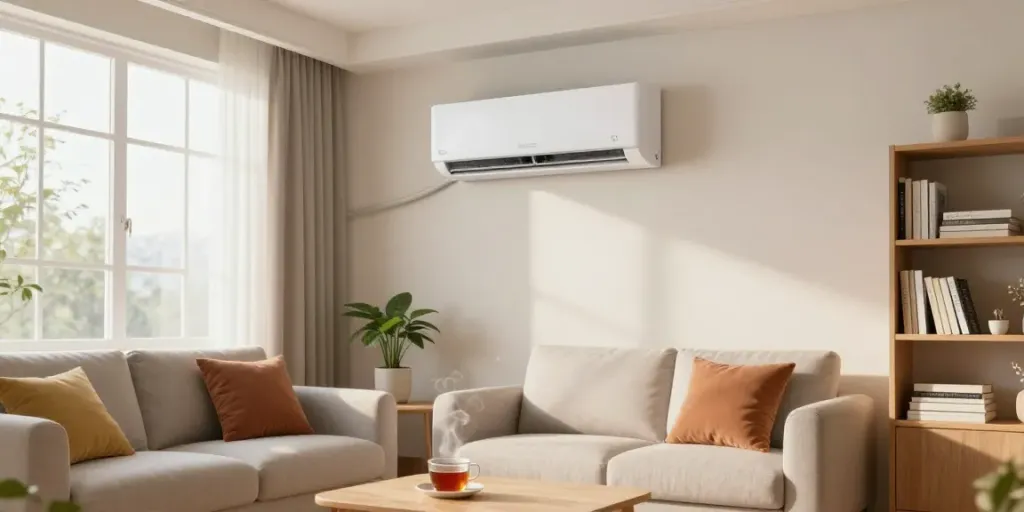
- Indoor Unit: This component is installed within the living space and is responsible for distributing the heated or cooled air. Indoor units come in various styles, including wall-mounted, ceiling-mounted, and ducted options.
- Outdoor Unit: The outdoor unit houses the compressor and the condenser. It is situated outside the building and connects to the indoor unit via refrigerant lines.
- Remote Control: Most mini split systems include a remote control that allows users to adjust settings conveniently.
- Thermostat: This device helps maintain the desired temperature and can be wall-mounted or integrated into the indoor unit.
Benefits of Using Mini Splits
The advantages of mini split systems extend far beyond energy efficiency. Here are several key benefits:
- Energy Savings: Mini splits often have higher SEER (Seasonal Energy Efficiency Ratio) ratings compared to traditional HVAC systems, leading to lower energy bills.
- Flexible Installation: The absence of ductwork means easier installation in diverse settings, such as older homes or new constructions that require tailored solutions.
- Individual Temperature Control: Each indoor unit can be set to a different temperature, providing personalized comfort for different rooms.
- Improved Air Quality: Mini split systems use advanced filtration systems that help reduce dust, allergens, and other airborne particles.
Comparing Mini Split Models
As the market for mini split systems continues to expand, buyers are presented with a variety of models from reputable brands. Whether you prioritize price, efficiency, or features, understanding the differences among available models is crucial for making an informed decision.
Top Mini Split Brands in 2026
Brand reputation is an important factor when selecting a mini split system. Some of the leading brands in 2026 include:
- Daikin: Known for innovative technology and reliability, Daikin offers a wide range of models tailored to different needs.
- Mitsubishi: A pioneer in the mini split market, Mitsubishi systems are favored for their durability and efficiency.
- LG: With modern designs and smart features, LG mini splits are popular for their aesthetic appeal and user-friendly controls.
- Pioneer: A budget-friendly option, Pioneer provides efficient mini splits that are ideal for homeowners looking for value.
Energy Efficiency Ratings Explained
When evaluating mini split systems, understanding energy efficiency ratings is essential. The SEER rating measures how efficiently a cooling system operates over a typical cooling season. A higher SEER rating indicates better energy efficiency. Systems with ratings above 16 SEER are considered high efficiency, offering significant cost savings over time.
Cost Analysis: Installation and Maintenance
The upfront cost of purchasing and installing a mini split system can vary widely based on several factors, including brand, model, and installation complexity. Generally, expect to pay between $3,000 to $5,000 for a complete system, including installation. However, ongoing maintenance plays a crucial role in keeping your system running efficiently. Regular maintenance checks can prevent costly repairs and extend the lifespan of your system, which typically lasts 15-20 years.
Installation Considerations for Mini Splits
Proper installation is critical for maximizing the performance and longevity of mini split systems. While it is possible to install some units as a DIY project, a professional installation is often recommended to ensure optimal operation.
DIY vs. Professional Installations
For those with sufficient HVAC knowledge, DIY installations can provide cost savings. However, professional installers ensure that the system operates at peak performance and complies with local building codes. A professional installation can also help avoid common pitfalls, such as improper sizing or placement of the units.
Optimal Placement for Maximum Efficiency
The location of both the indoor and outdoor units significantly impacts the system's efficiency. The indoor unit should be installed in a location that allows for optimal air distribution, away from obstacles like furniture or heavy drapes. The outdoor unit should be placed in a shaded area and away from direct sunlight to prevent overheating.
Common Installation Mistakes to Avoid
- Improper Sizing: Oversized or undersized units can lead to inefficient operation and increased energy costs.
- Poor Placement: Installing units in areas with restricted airflow can hinder performance.
- Lack of Proper Sealing: Failing to seal gaps around the lines can result in energy loss.
Maximizing Efficiency and Performance
To ensure your mini split system operates at its best, adopting effective maintenance practices is paramount. Regular upkeep not only enhances efficiency but also prolongs the unit's lifespan.
Maintenance Tips for Mini Split Systems
- Clean the Filters: Air filters should be cleaned or replaced regularly to ensure efficient airflow. A clogged filter can restrict airflow, forcing the system to work harder.
- Check the Drains: Ensure that the condensate drain is clear to prevent moisture buildup and potential water damage.
- Schedule Professional Service: Having a technician perform annual maintenance checks can identify issues before they escalate.
Signs Your Mini Split Needs Repairs
Monitoring your system for warning signs can prevent costly repairs in the long run. Look for these indicators:
- Unusual Noises: Grinding or screeching sounds may indicate mechanical issues.
- Inconsistent Cooling: If some rooms are cooler than others, it may signal a problem with the unit.
- Increased Energy Bills: A sudden spike in energy costs could suggest inefficiencies in your system.
Seasonal Preparation and Settings
As seasons change, adjusting your mini split's settings can enhance performance. For instance, switching to heating mode in colder months helps maintain comfort while optimizing efficiency.
Future Trends in Mini Split Technology
The mini split technology landscape is continuously evolving in response to consumer demands and environmental considerations. Here are some future trends to watch for in HVAC advancements.
Innovations to Expect by 2026
As technology advances, expect to see mini split systems that offer improved efficiency, smarter controls, and better integration with home automation systems. Innovations may include variable-speed compressors and advanced smart thermostats that learn user preferences.
Smart Home Integration for HVAC
Smart home technology is becoming integral in HVAC systems. Many manufacturers are introducing models that provide Wi-Fi connectivity, enabling homeowners to control their systems remotely via smartphone apps. This integration promotes convenience and energy savings.
Sustainability Trends in Air Conditioning
With increasing awareness of climate change, manufacturers are focusing on creating eco-friendly mini split systems that utilize refrigerants with lower global warming potential (GWP). Furthermore, systems that rely on renewable energy sources, such as solar power, are gaining traction in the market.
Frequently Asked Questions
Which brand of 110v mini split system is best?
When it comes to 110v mini split systems, brands like MRCOOL and Pioneer often receive high praise for their reliability and efficient performance. It's essential to compare specific models to find one that meets your unique requirements.
What are the disadvantages of a mini split?
Some disadvantages include the higher initial cost compared to traditional systems and the aesthetic impact of the indoor units on room decor. Additionally, without regular maintenance, performance may decline over time.
What is the typical cost of installing a mini split system?
The average installation cost for a mini split system ranges from $3,000 to $5,000, depending on the number of zones, brand, and installation complexities.
Do mini splits run up the electric bill?
While mini splits are generally more energy-efficient than traditional HVAC systems, their operational costs depend on several factors, including usage and local energy rates. Proper sizing and regular maintenance can mitigate excessive electricity costs.
How long do mini split systems last?
With proper maintenance, mini split systems can last anywhere between 15 to 20 years. Investing in regular check-ups can significantly extend the life of your system.