Understanding Smart Locks: What You Need to Know
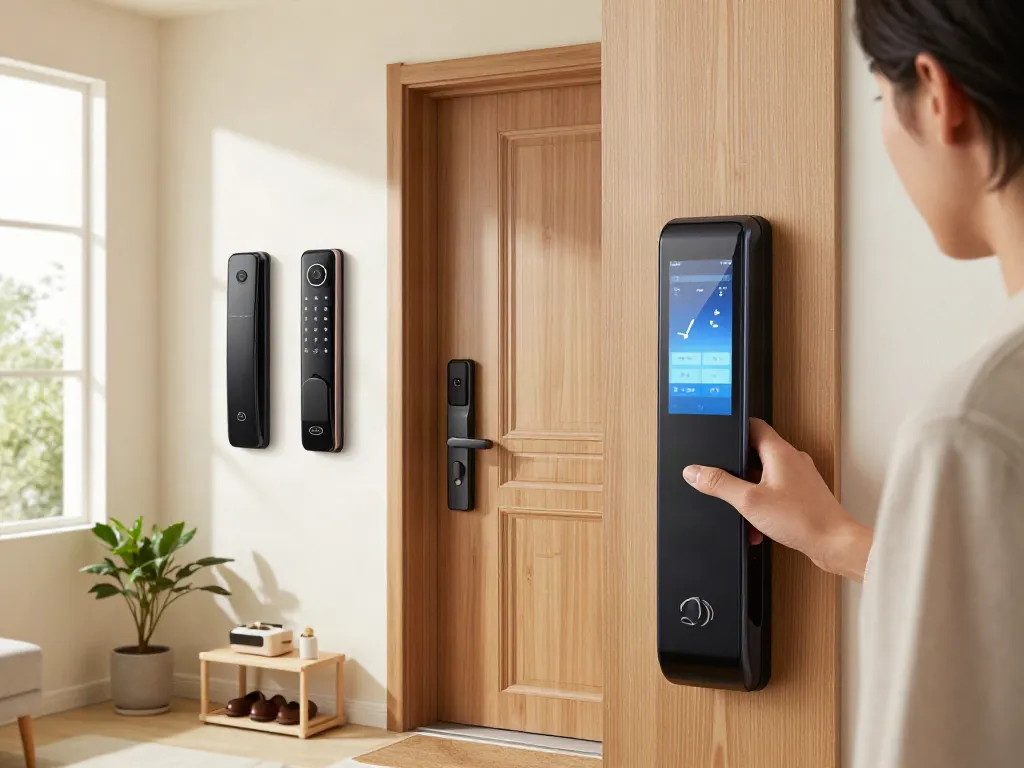
Smart locks represent a significant evolution in home security, offering features and functionalities far beyond traditional locking mechanisms. With integrated technology that provides enhanced security, remote access, and user-friendly interfaces, smart locks have become increasingly popular among homeowners. These devices utilize various forms of authentication and connectivity methods, such as biometrics, keypads, and smartphone apps, allowing for unprecedented control over home access. When exploring options, خرید قفل هوشمند offers a range of selections to suit diverse needs and preferences.
What are Smart Locks?
Smart locks are electronic locking devices that allow users to open doors through various means other than physical keys. They can be integrated with other smart home systems and typically offer features such as remote access, programmable entry codes, and logging of entry and exit events. These advanced locks are designed to enhance security and convenience, allowing homeowners to manage access without the hassle of traditional keys.
The Advantages of Smart Locks Over Traditional Locks
- Convenience: No more fumbling with keys; most smart locks can be operated through a smartphone or a keypad.
- Enhanced Security: Many smart locks provide features such as two-factor authentication, alerts for unauthorized access attempts, and even biometric locks that use fingerprint scanning.
- Remote Access: Users can lock or unlock doors from anywhere via internet connectivity, making it easier to manage access for guests or service providers.
- Audit Trails: Smart locks can keep track of who enters and exits, providing valuable insights into home security.
How Smart Locks Work: Technology Explained
Smart locks utilize various technologies, such as Bluetooth, Wi-Fi, and Z-Wave, allowing for connectivity with smartphones and other smart home devices. When a user approaches the lock with an authenticated device, the lock communicates wirelessly to either unlock it or prompt for additional authentication. Some models incorporate advanced features like fingerprint recognition or facial recognition, ensuring that only authorized personnel can gain entry.
Choosing the Right Smart Lock for Your Needs
When selecting a smart lock, it’s essential to consider several factors to ensure the product you choose meets your security requirements and lifestyle needs. The market offers a wide variety of options, catering to different budgets and preferences.
Key Features to Look For in Smart Locks
- Access Methods: Consider whether you prefer fingerprint access, keypad entry, or app-based management.
- Battery Life: Many smart locks run on batteries, so look for models with a long battery life or backup key option.
- Integration with Smart Home Systems: Ensure the lock can connect with existing smart home products such as security cameras or voice-activated devices.
- Durability: Choose a lock that’s made from heavy-duty materials to withstand attempts at forced entry.
Comparing Different Types of Smart Locks
There are several types of smart locks available, including:
- Keypad Smart Locks: Require a numeric code for access and are ideal for multiple users.
- Biometric Smart Locks: Use fingerprint scanning for maximum security and ease of access.
- Smart Locks with Cameras: Integrate a security camera with the locking mechanism for enhanced surveillance.
- Bluetooth-Enabled Locks: Allow for quick access using a smartphone without the need for internet connectivity.
Budget Considerations for Buying a Smart Lock
The price range for smart locks can vary significantly based on features and brand reputation. It's essential to establish a budget before investing, keeping in mind that more advanced features often come at a premium. Remember to consider installation costs as well, as some models may require professional installation, while others can be easily installed by the user.
Top Smart Locks of 2026: Detailed Reviews
In this section, we review some of the top smart locks that have garnered positive user feedback and performed well in terms of reliability and security.
Biometric Smart Locks: Security and Convenience
Biometric smart locks utilize fingerprint recognition technology, offering a high level of security while enabling quick access for authorized users. These locks are ideal for busy households where multiple individuals need access without sharing keys or codes.
Keypad Smart Locks: Easy Access and Management
Keypad locks are user-friendly and allow for easy entry by simply entering a code. They’re perfect for families or homes with frequent guests, as users can easily change the access code as needed.
Camera-Integrated Smart Locks: Enhanced Security Features
These locks combine locking mechanisms with integrated cameras, providing real-time video of who is at your door. This feature adds an extra layer of security, allowing homeowners to verify visitors before granting access.
Installation and Maintenance Guidelines
Proper installation and maintenance are crucial for maximizing the lifespan and effectiveness of your smart lock. Here’s a comprehensive overview of how to ensure optimal performance.
Steps to Install a Smart Lock
- Remove the existing door lock using a screwdriver.
- Follow the manufacturer's instructions to install the smart lock, ensuring all components are securely attached.
- Set up the lock’s connectivity features as per the application instructions.
- Test the lock multiple times to ensure it functions correctly before finalizing the installation.
Maintaining Your Smart Lock for Longevity
Regular maintenance can help prolong the life of your smart lock. This includes cleaning the exterior, checking batteries frequently, and ensuring that all components are functioning as intended.
Troubleshooting Common Smart Lock Issues
If you encounter problems with your smart lock, common issues may include connectivity problems, battery failure, or mechanical malfunctions. Refer to the user manual for troubleshooting tips, or consult the manufacturer's customer service for assistance.
Future Trends in Smart Lock Technology
The evolution of smart locks continues to advance, driven by innovations in technology and rising consumer demand for security and convenience in home automation systems.
Upcoming Innovations in Smart Lock Design
Future smart lock designs may incorporate features like AI-assisted locking mechanisms that adapt to user behavior, enhancing security protocols and user experience.
The Role of AI in Smart Home Security
Artificial intelligence is expected to play a significant role in the next generation of smart locks, with features that can learn from user habits and enhance security measures based on behavioral analysis.
Advancing Integration with Smart Home Ecosystems
As smart home technology continues to mature, smart locks will increasingly integrate with comprehensive home security systems, allowing for seamless operation and enhanced data sharing among devices.